Why Are Korean Webtoons Called Manhwa?
How Korean Comics Went Global Through Smartphones
Just as Japanese comics are known as manga, Korean comics are called manhwa overseas. Today, however, manhwa also carries the wider flow of K-content: vertically scrolling webtoons, smartphone platforms, web-novel originals, and stories that move into dramas and animation.
Why It Can Be Confusing at First
The Korean word manhwa (만화) covers a wide range. A printed comic book can be called manhwa, and so can a short illustrated piece in a newspaper. Many people also use the same word for the animated shows they watched on television as children.
In English, those meanings branch in different directions. For books or serialized works, comics is usually more natural, while cartoon may fit a short drawing or satirical image better. When global readers talk about Korean comics as a category, manhwa is the more natural term. One word does not always map neatly onto another.
This is where the question behind this article begins: Why did the familiar Korean word manhwa come to be recognized overseas as a term of its own?
How Are Manhwa and Webtoons Different?
Manhwa and webtoon are often used interchangeably, but the two terms originally cover different ground.
Manhwa is a broad term for Korean comics. Whether published as a print book or serialized online, a Korean comic can be called manhwa. Webtoon is closer to a format. Digital comics that are released one episode at a time online or on smartphone platforms and read by scrolling down the screen are generally called webtoons.
That is also why the two terms seem to overlap. Many of the Korean comics global readers encounter first are webtoons. They read by scrolling down a smartphone screen, wait for each new episode, and encounter the series through a platform and its comment section. As a result, manhwa has come to carry not only the basic meaning of “Korean comics,” but also the experience of reading Korean-style webtoons.
Three Words That Sound Alike
Manhwa in Korea, manga in Japan, and manhua across the Chinese-speaking world all sound similar. All three come from East Asian cultures that have long used Chinese characters. Related characters came to be pronounced differently in Korean, Japanese, and Chinese, while in English the three terms became established as words for Korean, Japanese, and Chinese-language comics, respectively.
Comic fans may find it easier to think of Son Goku from Dragon Ball. Because Dragon Ball is Japanese, in English he is generally called Son Goku, close to the Japanese pronunciation. In Korea, the name is Son Ogong, while in the Chinese-speaking world it is Sun Wukong. The underlying name is similar, but its sound changes from language to language. Manhwa, manga, and manhua are easier to understand in the same way.
Comics That Scroll Down
A webtoon’s most immediate feature is the vertical scroll. In a printed comic, you turn the page. In a webtoon, you move the screen downward. The next panel is hidden below, and readers summon each scene with a fingertip.
This format grew out of Korea’s internet landscape in the early 2000s. Services such as Chollian, Daum, and Naver brought comics online, and works such as Kang Full’s Pure Love Comic showed that a vertical scroll could sustain a long story. It was not designed solely for smartphones from the beginning. Readers were already accustomed to PC screens and mouse wheels, and as smartphones spread, the vertical screen became an even better stage for webtoons.
The vertical scroll also changed the rhythm of comics. A large image may suddenly appear after a long stretch of blank space, and a single panel may fill the entire screen. Action unfolds quickly, while the empty space stretches out in scenes where emotions deepen. Instead of turning pages, readers descend little by little into the story.
The Fast-Paced Stories Shaped by Web Novels
It is hard to discuss Korean webtoons without mentioning web novels. A web novel is a novel serialized online one episode at a time. Individual episodes are often short, and keeping readers eager for the next one is important.
That rhythm fit webtoons well. Popular web novels were adapted into webtoons, which in turn reached a broader audience. Premises involving regression, possession, reincarnation, and leveling up also became especially prominent in the process. The protagonist’s goal becomes clear early, and readers wait to see how the character will change in the next episode.
Of course, not all Korean webtoons tell stories like these. There are also many works across genres such as slice-of-life, comedy, horror, romance, history, sports, and social drama. Still, many popular titles that overseas readers associate with manhwa carry the fast pacing and clearly defined premises of web novels.
When One Story Moves Across Media
IP, short for intellectual property, is a term that appears often in articles about webtoons today. In Korean, the corresponding terms are jisik jaesan (지식재산) and jisik jaesan-gwon (지식재산권). In the content industry, IP refers to legally protected assets—such as a work’s story, characters, fictional world, or title—that can also be developed into other content.
Webtoons have increasingly become the starting point for this kind of IP. It is no longer unusual for a webtoon to move into television dramas, films, games, or animation.
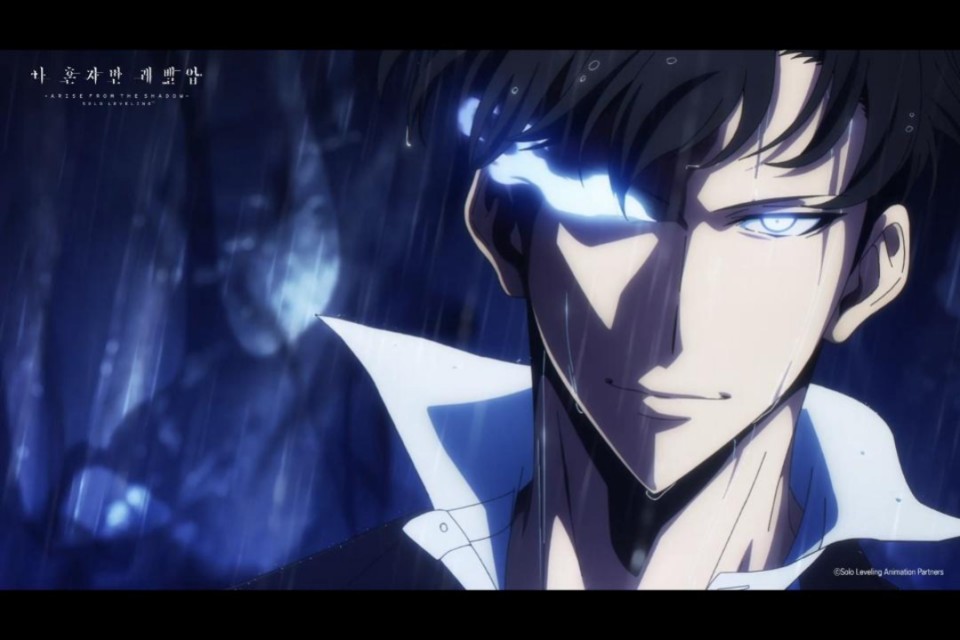
The difference became clear to me when I encountered Solo Leveling as a web novel, a webtoon, and an animated series. In the web novel, I imagined the battle scenes. In the webtoon, those scenes unfolded through color and panels. In the animated series, movement, music, and voices were added. Even when the story is the same, each medium creates a different emotional experience.
Sweet Home was adapted into a drama, Along with the Gods was adapted for film, and Tower of God and The God of High School received animated adaptations. As examples like these multiplied, Korean webtoons came to be seen not only as “comics to read,” but as story assets that can move across languages and media.
Why Manhwa Has Come to Mean More
Originally, manhwa was a term for Korean comics. That meaning remains important today. But when global readers hear the word manhwa now, they may think of more than printed comics. They may also picture vertical screens, fast-paced stories, web-novel originals, platforms with comment sections, and the path from webtoons to dramas and animation.
Understanding manhwa, then, is not simply a matter of memorizing one word. It means looking at how the internet and smartphones changed the way Korean comics are read, and how their stories then moved into visual media and games.
Just as manga evokes Japanese comics, manhwa now evokes both Korean comics and webtoons. As new works appear, reach new readers, and are translated into more languages, the scope of the word will continue to expand little by little.
- Park Hanbin