Why Do People in Korea Drink Iced Americanos Like Water?
From Sweet Coffee Mix to Iced Americanos
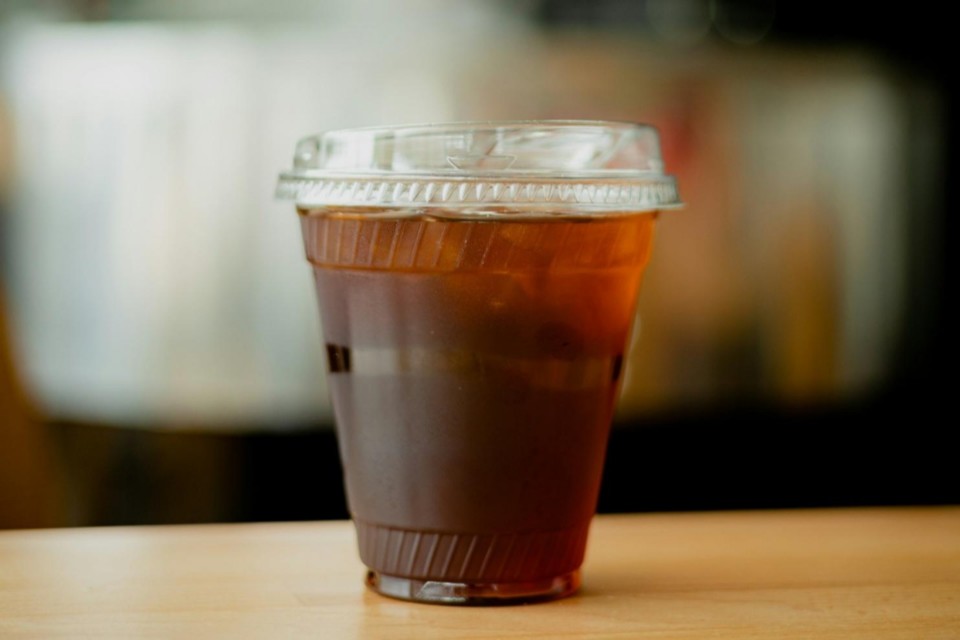
Korean coffee culture has moved from sweet coffee mix to brewed coffee and then to iced Americano. How did this cold, light coffee become a drink that stays with people throughout the day in Korea?
What You Hear After Lunch
There is a question you often hear in Korea after a meal: “Want to get coffee?” People leaving a restaurant head to a nearby café. On the way back to the office or toward the subway station, many have a clear cup in hand. Even in the middle of winter, that cup is often filled with ice.
The drink is not always an iced Americano. Even so, it is one of the coffee drinks most commonly seen on Korean streets. In Korean, the name is often shortened to aa (아아). People who insist on iced Americanos even in freezing weather are jokingly described as eoljuka (얼죽아), short for a phrase meaning “iced Americano even if I freeze to death.”
The scale of coffee consumption in Korea is also striking in numerical terms. A 2025 Coffee and Tea Market Brief on Korea from the USDA Foreign Agricultural Service put annual per capita coffee consumption in 2024 at 416 cups. A separate survey found that in 2023, unsweetened coffee such as Americanos was the type of beverage people in Korea consumed most. According to a 2026 English-language Yonhap News Agency report citing Starbucks Korea, iced Americanos also accounted for more than 70 percent of the chain’s Americano sales from 2023 through 2025.
Of course, sales figures from a single brand cannot speak for the whole country. Still, it seems clear that iced Americanos occupy a highly visible place in Korean coffee culture. Why this particular drink? How did the iced Americano move beyond the café menu to become something woven through the day?
What It Means to Drink Something Like Water
When people say they drink something “like water,” they do not necessarily mean it tastes like water. The phrase is closer to saying that they drink it often and that it sits naturally in everyday life, without requiring any special preparation.
History offers similar scenes. In ancient Egypt, beer functioned almost like food, and it is known to have been issued daily to pyramid workers. In ancient Greece, wine was usually mixed with water rather than drunk straight. It was a way to make it last longer, keep conversation going, and avoid becoming too intoxicated.
But saying that “people in the past drank only alcohol because the water was dirty” would be too simplistic. There are also many records of people drinking water in medieval Europe. The point here is different: when a beverage becomes deeply embedded in daily life, people often adapt it into a form that is easier to drink more often and over a longer stretch of time.
The Americano followed a similar path. Espresso is a concentrated coffee served in a small cup. Add water, and it becomes an Americano. Add ice, and it becomes an iced Americano. In other words, a strong coffee was diluted, chilled, and turned into a drink that could be carried around and sipped slowly.
Sungnyung at the End of a Meal, Barley Tea in the Fridge
Korea already had drinks associated with the end of a meal. One of the best known is sungnyung (숭늉), a warm drink made by pouring water over the scorched rice left in a pot after cooking. It may feel less familiar to younger people today, but in the past, finishing a meal by clearing the palate with sungnyung was a natural habit.
The Encyclopedia of Korean Culture explains that, in a traditional meal sequence, drinking sungnyung after rice—or mixing rice into it—marked the end of the meal. As electric rice cookers became widespread, less scorched rice was left behind and the custom of drinking sungnyung faded. In its place, the habit of boiling barley tea took root.
Boricha (보리차), or barley tea, is made by boiling roasted barley. In many Korean homes, it was less a tea prepared for a special occasion than an everyday substitute for water. Families kept large bottles of it in the refrigerator and poured a glass whenever they were thirsty. They drank it after meals, after snacks, or simply whenever they wanted something to drink.
This does not mean that sungnyung, barley tea, and iced Americanos form a direct line of succession. Their flavors and ingredients are different. Still, people in Korea were already familiar with drinks that refreshed the mouth after a meal and could be consumed casually throughout the day. In modern urban life, iced Americanos seem to have gradually moved into some of that space.
Coffee Mix Opened the Door
Korean coffee culture did not jump straight to iced Americanos. Korean coffee mix (커피믹스) came in between.
Coffee mix is a small, single-serve packet containing coffee, sugar, and creamer. Add hot water, and it is ready to drink. From the late 1970s onward, it spread quickly through homes, offices, break rooms, factories, and areas around schools. Even people who knew little about coffee could make it easily, and the taste was sweet and mild.
For these reasons, it would be difficult to cast coffee mix as the direct successor to sungnyung or barley tea. It was less a drink people consumed like water than a sweet treat for break time. Even so, it played a major role in bringing coffee closer to everyday life in Korea. Thanks to coffee mix, coffee was no longer an unfamiliar drink reserved for special places; it became something anyone could make wherever hot water was available.
A New Name: “Brewed Coffee”
Another change arrived in the late 1990s and early 2000s. Today, names such as Americano, latte, and cold brew are familiar, but at the time, coffee made from roasted beans rather than coffee mix was often grouped under the broad label wondu keopi (원두커피), or “brewed coffee.”
The name captures the mood of that period. Brewed coffee was not simply another type of coffee. It signaled that the way people drank coffee was changing. The webzine of the National Folk Museum of Korea describes the opening of Starbucks in Korea in July 1999 as the point when the country’s era of brewed coffee began in earnest. More coffee shops appeared in the 2000s, and competition intensified.
At first, coffee shops felt a little more special than they do today. The cups were large, the menu names unfamiliar, and the prices were not exactly low. Words like Americano, café latte, and cappuccino seemed to point to a world apart from coffee mix.
But what feels special can become ordinary with time. As coffee shops multiplied, takeout coffee became familiar, and more budget-friendly chains appeared, brewed coffee became part of everyday life too. It would not be far-fetched to say that the iced Americano was the menu item that fit most easily into daily routines.
Why Iced Americanos Are So Convenient
The reasons iced Americanos took hold in Korea are not grand. In fact, their appeal lies in how unexceptional they are.
First, they are not sweet. Coffee mix made coffee approachable through sweetness; the Americano established itself by leaving that sweetness out. It also feels lighter after a meal, closer to clearing the palate than having dessert.
Another advantage is that an iced Americano can be drunk slowly. Espresso is consumed in a few sips, but an Americano contains water. Add ice, and it naturally lasts even longer. People leave it on a desk while working, sip it while studying at the library, or carry it as they walk. Even when the ice melts and the coffee grows a little weaker, that hardly seems unusual.
It also suits the rhythms of life in Korea. Commutes are busy, lunch breaks are short, and cafés are often close at hand. It is easier to drink right away than hot coffee, and it is convenient to carry around. The iced Americano became a way to keep coffee close for a long stretch of fast-paced city life.
Its fit with the end of a meal is also hard to overlook. Korean meals often bring spicy, salty, brothy, and rich flavors together. Afterward, many people find that a cold, unsweetened coffee leaves the mouth feeling refreshed. This is less something that statistics can prove conclusively than a cultural reading of the way drinks fit into daily life in Korea.
The Joke That It Is “Like Barley Tea”
Against this background, some people joke that an Americano is “like barley tea.” The comparison can sound odd at first. Barley tea is toasty and nutty; an Americano is bitter. In flavor, the two are nothing alike.
But the joke is not really about taste. It is about the place each drink occupies in daily life. If barley tea once sat in Korean homes almost like water, iced Americanos now appear throughout urban life. They sit on office desks and café tables and travel in the hands of people walking to the bus stop. They also appear when a meal is over and conversation continues a little longer.
Coffee mix introduced coffee to everyday life in Korea. Brewed coffee made it a new kind of personal preference. The iced Americano then turned coffee back into a light drink that could be kept nearby and sipped over time. In that sense, it has come to play a role similar to barley tea.
That does not make it a simple line of succession. Sungnyung comes from rice, barley tea from barley, and Americanos from coffee. They belong to different eras, taste different, and are consumed in different places. What carried over was not flavor, but function.
Everyday Life in a Cup of Coffee
Korea’s iced Americano is the result of an imported coffee style meeting Korean dining habits, office culture, café infrastructure, and the pace of urban life. That makes it difficult to explain as simply “cold coffee.”
In Korea, the iced Americano can seem too ordinary to be remarkable. But that ordinariness is the key. Coffee mix opened the door to coffee, and brewed coffee turned it into a new preference; the iced Americano carried coffee even deeper into the day.
In Korea, the iced Americano is more than a café menu item. It is a small daily habit that accompanies conversations after meals, the rhythm of the commute, and long hours at a desk.
- Park Hanbin