Why Have Korean Expressway Rest Areas Become Travel Destinations?
From a Quick Refuel to a Meal and a View
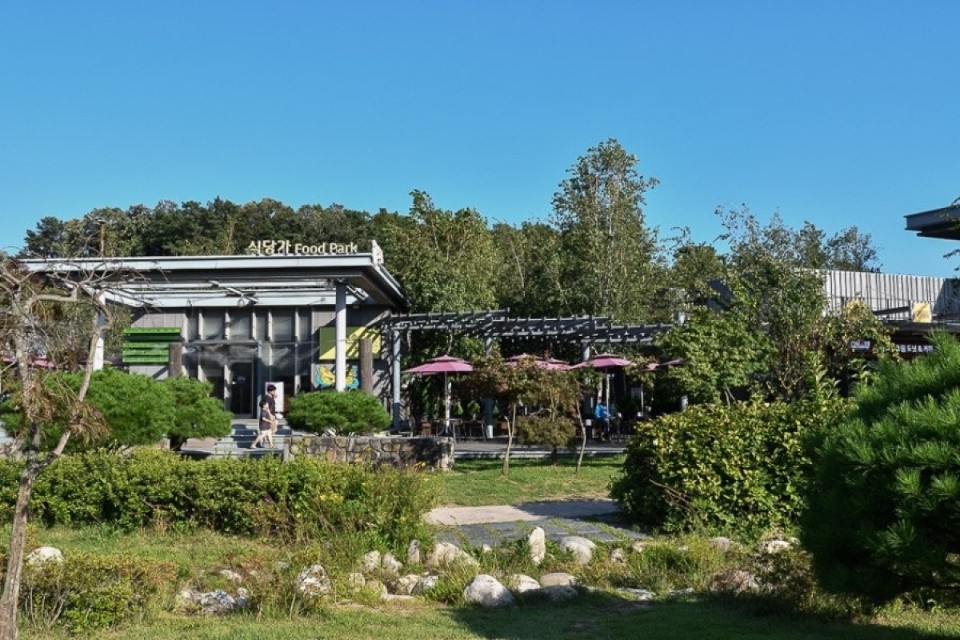
Expressway rest areas are made for quick stops. In Korea, however, a brief pause can become a memorable part of the trip. Clean restrooms, warm food, short walking paths, and local scenery turn a roadside break into part of the journey.
An Afternoon with a Rainbow
It happened last year, while traveling within Korea. The rain had just stopped when the car pulled into an expressway rest area. The plan was simple: get gas, pick up a cup of coffee, and get back on the road.
Stepping out of the car changed that. Sunlight began to break through the clouds, and a rainbow hung in the distance. Beyond the parking lot, the mountains and fields looked vivid, as though the rain had washed them clean. Far from the city, even the air seemed clearer.
The restroom was clean, and the restaurant and café were easy to spot. Outside was a short path made for a quick walk. Before long, the urge to leave right away had softened. The car was fueled up, but leaving no longer felt easy.
That day, the rest area was not simply a place passed on the way to a destination. It briefly paused the journey and drew the eye toward the sky. A question came to mind: When did Korean expressway rest areas become places where people wanted to linger?
It Began as a Place to Rest
A rest area is, by definition, a place to stop and take a break. Long drives make drivers tired, and passengers also want to get out and move around. That is why rest areas need restrooms, places to eat, gas stations, and somewhere to sit for a while.
Korea’s rest-area culture began to take shape in earnest with the opening of the Gyeongbu Expressway, a major route connecting Seoul and Busan. It is a familiar road today, but when it first opened, it greatly changed how people traveled in Korea.
There were no gardens or observation decks at the beginning. Early rest areas were mainly for using the restroom, eating, refueling, and taking a short break. They were especially hectic for express bus passengers. As soon as a bus stopped, people had to rush to the restroom, buy a snack, and return to their seats before the short stop was over.
Back then, rest areas were less like travel destinations and more like places to prepare for the next departure.
Staying a Little Longer
Changes in the way people travel played a major role in transforming rest areas. As more people began taking trips in their own cars, breaks became a little more flexible. Bus passengers have to return at a set time, but people driving themselves can stay a little longer at a rest area they like.
Expectations changed as well. Clean restrooms became standard, and restaurant menus expanded. Cafés, convenience stores, electric-vehicle chargers, baby-care rooms, and shops selling regional produce are now easy to find. At larger rest areas, visitors may take a walk or spend time with their pets.
Together, these amenities are designed to make a stop easier and more comfortable. A rest area has become both a place to take care of practical needs quickly and a place to catch one’s breath. The combination of views beyond the city and well-equipped facilities is part of the distinctive appeal of Korean rest areas.
The Smell Draws You In First
At a rest area, you may find yourself buying something even when you are not hungry: a warm bowl of udon, pork cutlet, ramen, gukbap, gimbap, hodu-gwaja, a hot bar, or coffee. The menu may look ordinary, but the same food feels a little different on the road.
Hodu-gwaja (호두과자) are small, walnut-shaped pastries filled with sweet red bean paste. A hot bar (핫바) is a warm snack served on a stick, usually made from fish paste or seasoned meat and then fried or grilled.
After a long drive, opening the car door brings in the smells first: hot broth, freshly cooked snacks, and damp earth after the rain. What you eat then is less a gourmet meal than a small signal that puts you in the mood for travel. It is a moment to stop, loosen up, and get ready to return to the road.
These days, more rest areas offer dishes made with local ingredients or their own signature menu items. Sometimes the name of the rest area comes up before the destination. “Should we stop at that rest area on the way? The food there is pretty good.” In this way, rest-area food becomes one small reason to include a stop in the travel plan.
Rest Areas You Remember by Name
Not every rest area is designed like a travel destination. Some are small and practical, while others are best for a quick restroom stop. Still, a few are remembered by name, almost like destinations in their own right.
Deokpyeong Rest Area (덕평자연휴게소) is known for its gardens and walking spaces. It also has restaurants, cafés, and shops, but visitors tend to remember the trees, the pond, and the paths made for strolling. Even a quick stop can make you want to step outside, breathe the air, and take a stroll around the grounds.
Naerincheon Rest Area (내린천휴게소) is set among the mountains and waterways of Gangwon. From its observation deck, mountain ridges and the landscape around Naerincheon come into view. After rain, mist sometimes hangs over the slopes. Here, a break becomes time spent taking in the view.
Geumgang Rest Area (금강휴게소) is famous for its view of the Geumgang River. With a coffee in hand and the river in view, letting the break run a little longer feels natural. The rest area also serves dori-baengbaengi (도리뱅뱅이), a local dish of small freshwater fish cooked in a spicy seasoning.
These rest areas leave an impression even on travelers who are simply passing through the region. The road continues, but during the stop, they experience a little of the local air and flavor.
Slowing Down on a Fast Road
For travelers unfamiliar with Korea, these rest areas may come as a surprise. In some countries, a highway rest area may mean little more than a restroom and a small shop. Korea also has many small, quiet rest areas, but quite a few offer a warm meal, a café, clean restrooms, and regional dishes all in one place.
The interesting part is the change of pace. Expressways are built to get people somewhere quickly. As soon as people pull into a rest area, however, they slow down. They stop driving, look up at the sky, eat, and take even a few minutes to walk.
Of course, the experience is not always romantic. Rest areas can be crowded during major holidays and long weekends, and food prices can be hard to ignore. Some visitors also find the food or facilities disappointing. This may also show how much people now expect from rest areas.
A rainbow can appear at a place where you meant only to refuel and leave. A coffee can turn into a walk. You may buy hodu-gwaja even though you were not hungry, and a rest area that was never the destination may become the most vivid scene of the trip.
For these reasons, Korean expressway rest areas are more than facilities along the route to a destination. When you pause on a fast road, you may find a warm meal, a view, and a glimpse of Korea that can only be seen by stopping.
- Park Hanbin